

The Value of a PA: Celebrating the MPAS Class of 2026 at Rocky Vista University
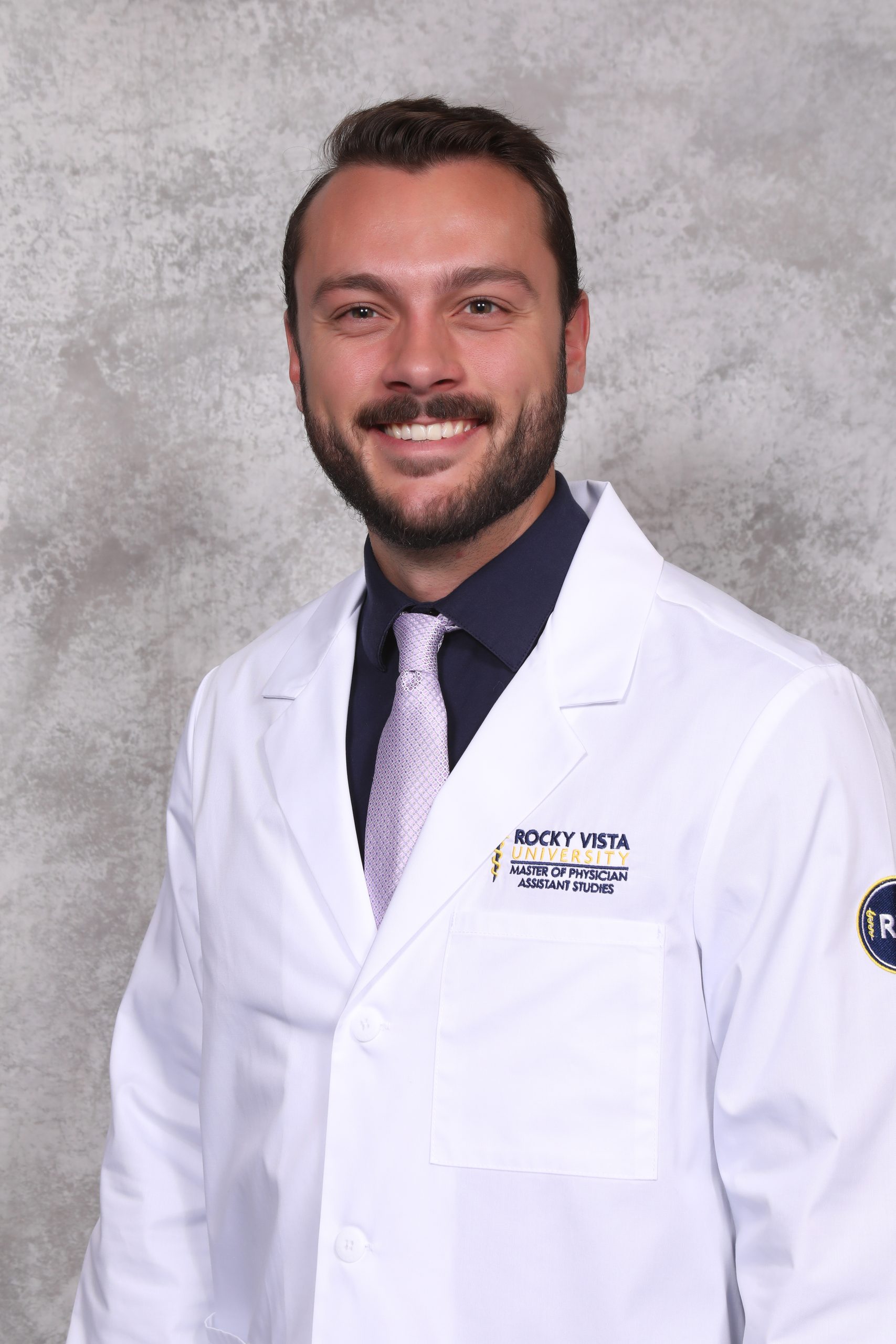
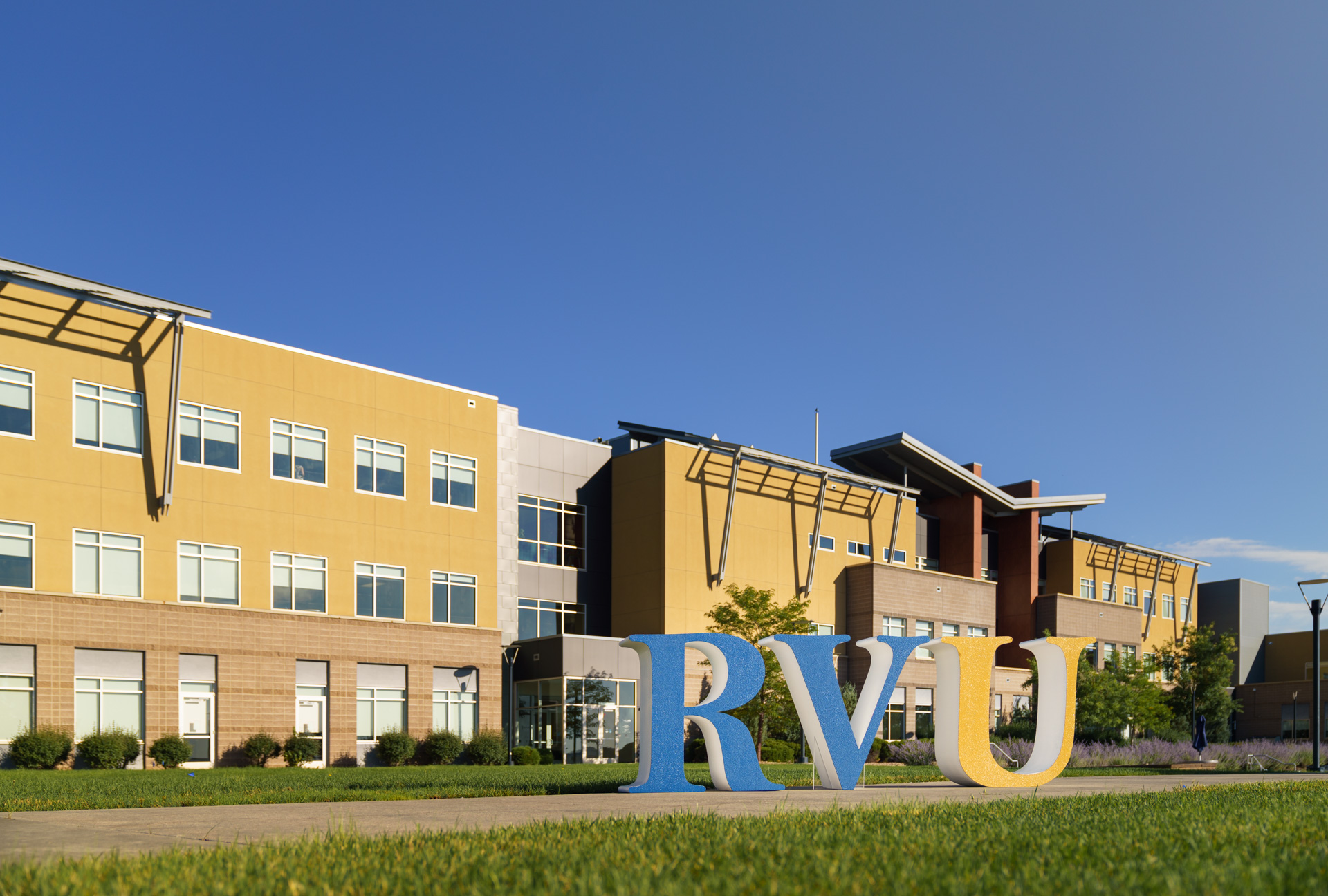
As Ian Obeldobel graduates from the Rocky Vista University (RVU) Master of Physician Assistant Studies (MPAS) Program this November, he reflects on the reasons he decided to enroll. He saw major advantages to the program housed on the Colorado campus, with its smaller class sizes compared to other schools and available resources like a cadaver lab, simulation center, and more.
But what really affirmed Obeldobel’s decision was a handwritten note that he received from the program’s faculty congratulating him on being accepted and welcoming him to the school.
“This effort and personalization really affirmed my decision for me, and I’m glad that I chose RVU,” Obeldobel said.
To celebrate the MPAS Class of 2026 commencement, we dive into what a physician assistant (PA) is and how RVU prepares students for the role.
What is a PA?
According to the American Academy of Physician Associates (AAPA), the profession dates back to 1965, when Dr. Eugene Stead at Duke University Medical Center responded to a shortage of primary care physicians by training four Navy hospital corpsmen to extend medical care beyond what physicians alone could reach.
Sixty years later, that founding purpose of expanding access to healthcare still drives the profession. PAs are healthcare professionals licensed to practice medicine in collaboration with a medical care team. Today’s PAs take medical histories, diagnose and treat illness, order and interpret tests, prescribe medication, and assist in surgery, working across every specialty and care setting, according to the AAPA.
PAs Expand Access to Care
Expanding access to healthcare means that PAs are prepared to serve medically underserved areas and are trained quickly and intensely to adapt to the changing needs in healthcare, said RVU PA Program Director, Cathy Ruff, MS, PA-C. In some clinical settings, PAs may be more accessible to patients in terms of scheduling. For example, a PA may have more acute care appointment openings that allow patients to access them more immediately than a provider who mostly sees patients with chronic conditions.
“That is not to say PAs do only acute care – we do it all,” Ruff said. “And we are trained to listen and communicate in a way that patients feel heard and supported regardless of the time we have scheduled with them.”
RVU PA Program faculty member, Carrie Chanos, PA-C, has seen the access-to-care mindset play out in her own primary care work. When a patient needs to be seen sooner than their physician’s schedule allows, she’s able to step in as part of the care team, working from what’s already documented to recommend next steps before the patient follows up with their doctor.
Echoing what Chanos stated, Obeldobel finds that the PA profession serves as a valuable bridge between doctors and patients. Accessibility gives patients more face-to-face time and in turn builds confidence in their care team, he said. In dynamic clinical situations, Obeldobel notes that being that bridge is helpful when working with nurses and other healthcare staff.
“Having time to communicate with them is an important advantage when adjusting to rapidly changing situations,” he said.
Career Flexibility
Lateral mobility is a draw that Chanos and RVU PA Program faculty member, Cassidy Punt, PA-C, hear from applicants again and again: the ability to change specialties without starting over. For career-changers in particular, there’s also the appeal of a shorter path to practice; a chance to start serving their community sooner than a longer training pipeline would allow.
That’s why Obeldobel pursued a PA education. After 27 months completing RVU’s rigorous program, he now has the flexibility of practicing in any specialty and has the autonomy to make decisions regarding a patient’s care.
Obeldobel is excited to gain more experience after he graduates. He’s interested in a few different specialties, including emergency medicine, surgery, and cardiology. He’s also open to roles in inpatient settings and surgical subspecialties.
“It’s an important job,” Obeldobel said. “Throughout [clinical rotations], I’ve come to see how rewarding it is as well. I’m very happy with my decision to become a PA.”
How RVU Prepares Students for Practice
RVU’s PA Program runs a shorter didactic phase and a longer clinical phase, with the didactic phase built around a strong emphasis on clinical reasoning and skills.
“Our students enter clinic hitting the ground running,” Chanos said.
That preparation carries into whatever specialty or field students choose after graduation. It’s something preceptors tell the program often, remarking that RVU students arrive better prepared than students coming out of other programs, Ruff said.
Underlying that structure is the program’s competency-based education model. “We’re constantly assessing where students are on different clinical skills, as well as knowledge and behaviors,” Chanos said, with feedback built into every stage rather than saved for the end.
That preparation shows up in the numbers, too. RVU’s 2025 MPAS cohort posted a 100 percent first-time PANCE pass rate against a 91 percent national rate, alongside a 94.4 percent graduation rate.
Chanos framed the program’s fit in terms of mission rather than marketing. The RVU PA Program’s stated mission is to prepare clinically competent, collaborative, compassionate PAs through a rigorous, hands-on curriculum, to serve the needs of diverse communities.
“I wouldn’t say every PA student should apply to our program,” she said. “I’d say applicants should apply if that mission resonates with them.”
Obeldobel said that RVU’s PA Program has prepared him for real-world medical care. The program’s weekly exams required him to learn the content faster than he thought he could, and completing 12 clinical rotations proved to him that he can overcome challenging tasks.
“Of course I’ve gained a lot of knowledge along the way, but I think the biggest thing I’ve gained from this program is the confidence that I can do these hard things,” he said. “As a new grad entering the ‘real world,’ there are plenty of hard things to come, but I feel ready to take those on and be a great PA!”
A PA Education at RVU
RVU prepares clinically competent and compassionate PAs ready to serve diverse communities. Learn more about how the PA profession may be right for you by visiting the RVU website.