
Rocky Vista University – DVM Program Information
Doctor of Veterinary Medicine
Rocky Vista University Proposed College of Veterinary Medicine
RVU is seeking a Letter of Reasonable Assurance from the American Veterinary Medical Association (AVMA) Council on Education, which allows the college to recruit and admit its first class. A Letter of Reasonable Assurance is the first step in the accreditation process. Rocky Vista University has received approval from the Higher Learning Commission (HLC) for a College of Veterinary Medicine at our Montana campus in Billings, MT.
The proposed College of Veterinary Medicine plans to offer a Doctor of Veterinary Medicine (DVM). RVUCVM’s veterinary program will qualify graduates to be eligible to take the North American Veterinary Licensing Examination (NAVLE).
To become a licensed veterinarian in the United States or Canada, graduates must pass the North American Veterinary Licensing Examination (NAVLE). At RVU, our innovative curriculum is designed to build the knowledge, skills, and confidence students need to succeed on the NAVLE and launch their careers in veterinary medicine.
In addition to passing the NAVLE, each state has its own requirements for veterinary licensure. State Boards of Veterinary Medicine oversee this process to ensure veterinarians meet the highest educational and ethical standards. The American Association of Veterinary State Boards (AAVSB) offers helpful resources for future veterinarians, including guidance on obtaining a license and a state-by-state directory of licensing contacts. As you move through your veterinary education, you’ll have the support and information you need to navigate the licensure process with confidence.
Proposed College of Veterinary Medicine Mission
The mission of the Rocky Vista University College of Veterinary Medicine is to prepare competent, compassionate, practice‑ready veterinarians who are life‑long learners and who serve the needs of their communities through evidence‑based practice, professional service, research, and innovative educational experiences.
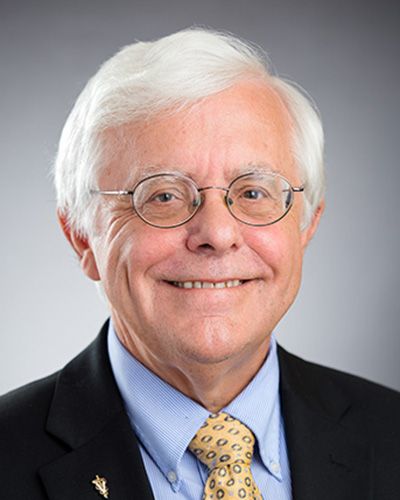
Interim Dean Dr. Neil C. Olson DVM PhD
Office of the Dean:
Montana College of Veterinary Medicine
4130 Rocky Vista Way
Billings, MT 59106
(406) 901-2701
Proposed Admissions Requirements
- Bachelor’s Degree: Applicants are preferred to hold a bachelor’s degree from an institutionally accredited university; however, applicants who have completed a minimum of 60 undergraduate credit hours and all required prerequisite coursework will be considered.
- Exceptions may be made and will be reviewed on a case-by-case basis; including exceptions that pertain to faith-based and/or strong international universities.
- In the event of coursework completed at foreign institutions, official detailed course-by-course evaluations must be completed by an approved agency. Please see the list of approved agencies in the RVU Student Handbook and Catalog, under the ‘Matriculation’ section.
- GPA: A minimum cumulative grade point average of 3.00.
- Prerequisite Coursework: Applicants must complete the following college-level prerequisite courses with a grade of “C” or higher. Grades of “C-” or below will not satisfy the requirements.
- Biology with laboratory (8)
- Genetics (3)
- General Chemistry (6)
- Biochemistry (3)
- Organic Chemistry (6)
- Physics (3)
- Advanced Science (8)
- Anatomy or Physiology (3)
- Behavioral or Social Sciences (3)
- English Composition (3)
- Letters of Recommendation: Two (2) letters of recommendation are required; one from an academic reference and one from a veterinarian.
- Experience: Applicants with research experience, veterinarian-supervised experiences, and other animal experiences are preferred.
Contact Rocky Vista University
Proposed Doctor of Veterinary Medicine Learning Outcomes:
The RVU CVM curriculum has been developed in alignment with the Competency-Based Veterinary Education 2.0 model. Upon successful completion of the Doctor of Veterinary Medicine (DVM) program, students will demonstrate competency in the following Program Learning Outcomes:
- Engage in Scholarship and evidence-based practice to advance knowledge and educate others
- Employ effective Clinical Reasoning and Decision-making in the practice of veterinary medicine
- Provide Individual Animal Care and Management to achieve optimal clinical outcomes
- Apply Animal Population Care and Management principles to support animal health, welfare, and productivity
- Promote Public Health and One Health through evidence-based veterinary practice, interdisciplinary collaboration, and consideration of global health impacts
- Employ effective Communication in diverse settings to support animal, human, and environmental health and wellbeing.
- Demonstrate Collaboration and inclusivity to improve outcomes and facilitate innovative problem-solving
- Cultivate Professionalism and Professional Identity through reflection and continuous learning
- Apply Financial and Practice Management strategies that ensure personal and professional success
Proposed DVM Program Highlights

Hands-On Learning, Comprehensive Support
Hands-On Learning, Comprehensive Support
Our proposed innovative 4-year program is designed to immerse you in real-world medical experiences, blending simulation with anatomy and surgical labs. The program will collaborate with partners like the Yellowstone Valley Animal Shelter for unique, practical insights. Beyond academics, our Student Affairs team supports your success with learning strategies, mental health resources, wellness programs, student organizations, tutoring, and career planning. This is education built for your growth—inside and outside the classroom.
Proposed Program Requirements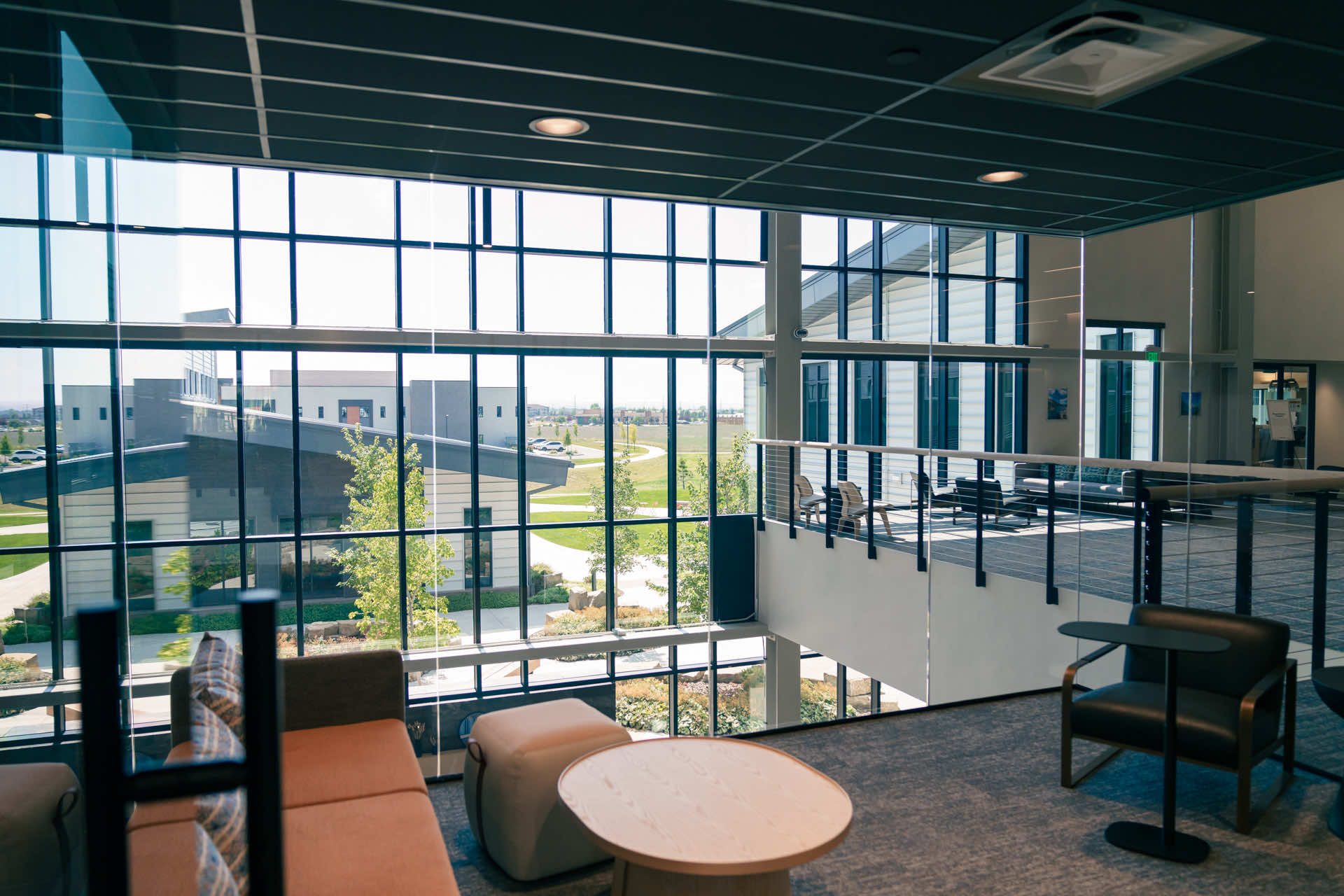
Brand New Facilities, Abundant Clinical Opportunities
Brand New Facilities, Abundant Clinical Opportunities
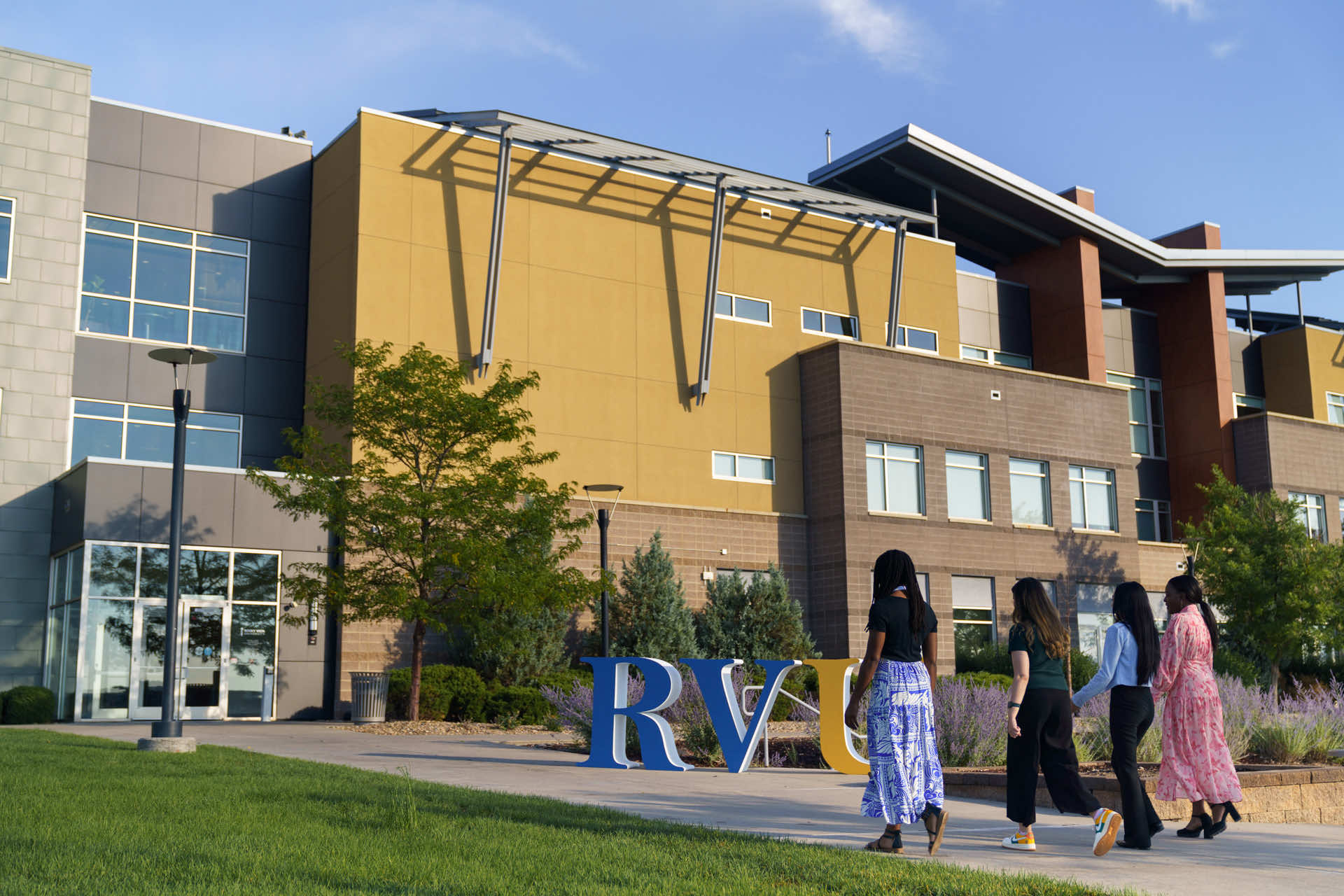
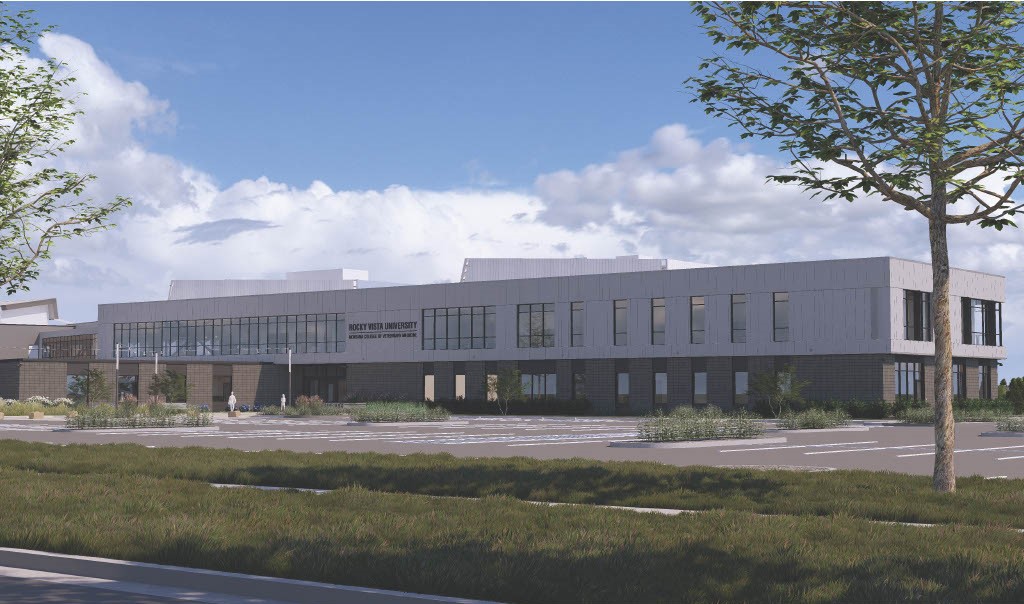
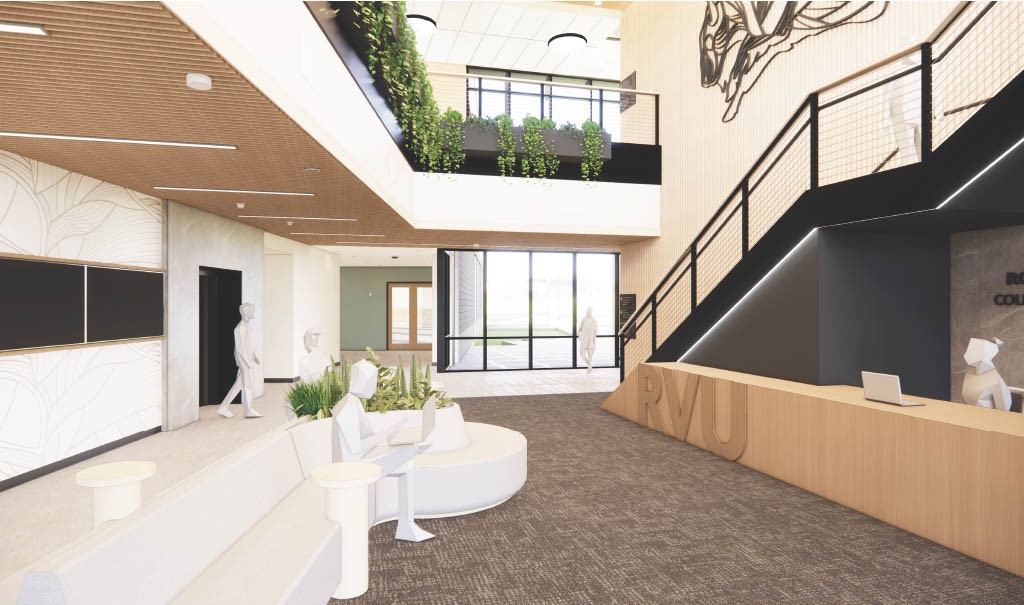
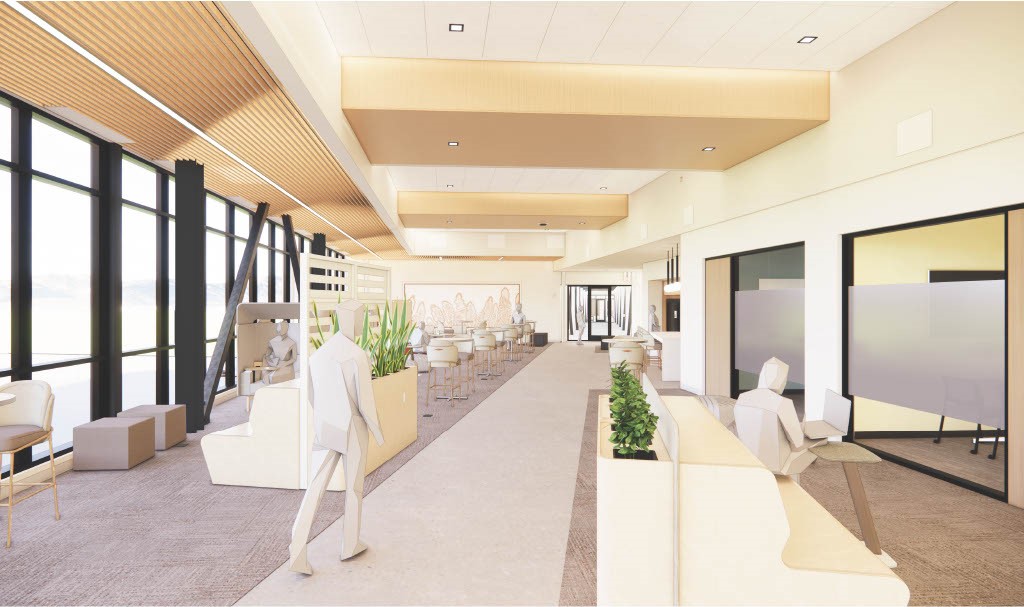
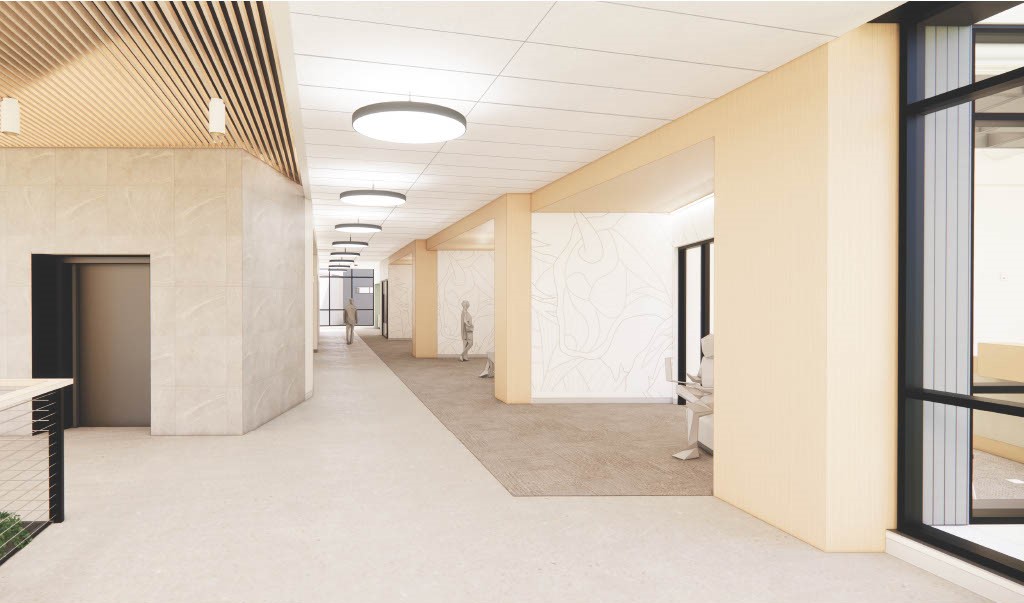
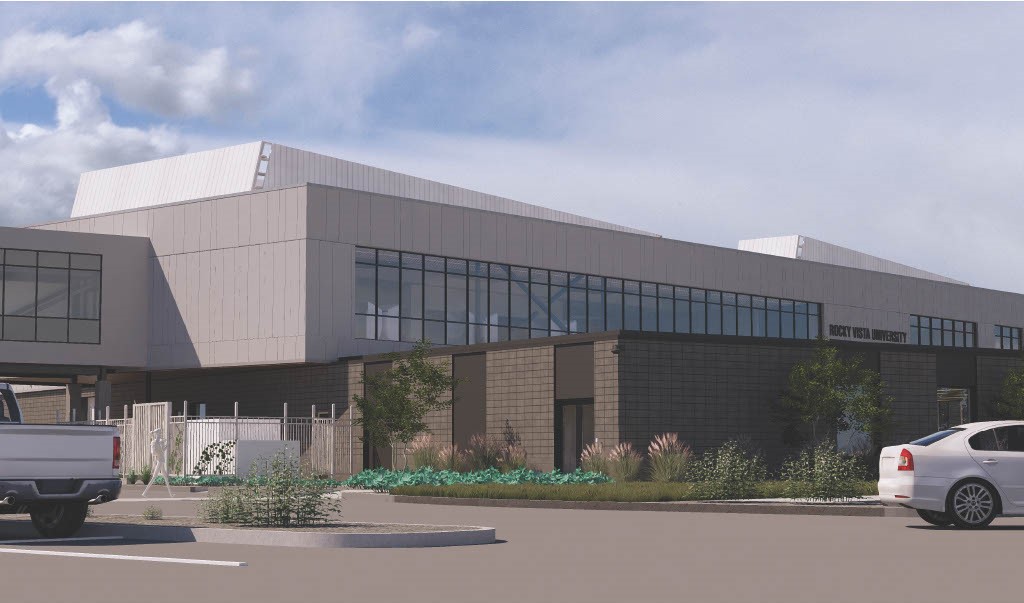
Discover our brand-new 60,000-square-foot campus, crafted to enhance wellness, natural light, and a vibrant student community. From this inspiring space, launch your clinical journey across Montana and the Mountain West, with rotations in rural and underserved areas as well as select sites in the Pacific Northwest, California, the Southwest, and other areas of the U.S. With opportunities to make a meaningful difference in diverse communities, this program is your pathway to a rewarding veterinary career.
Contact Us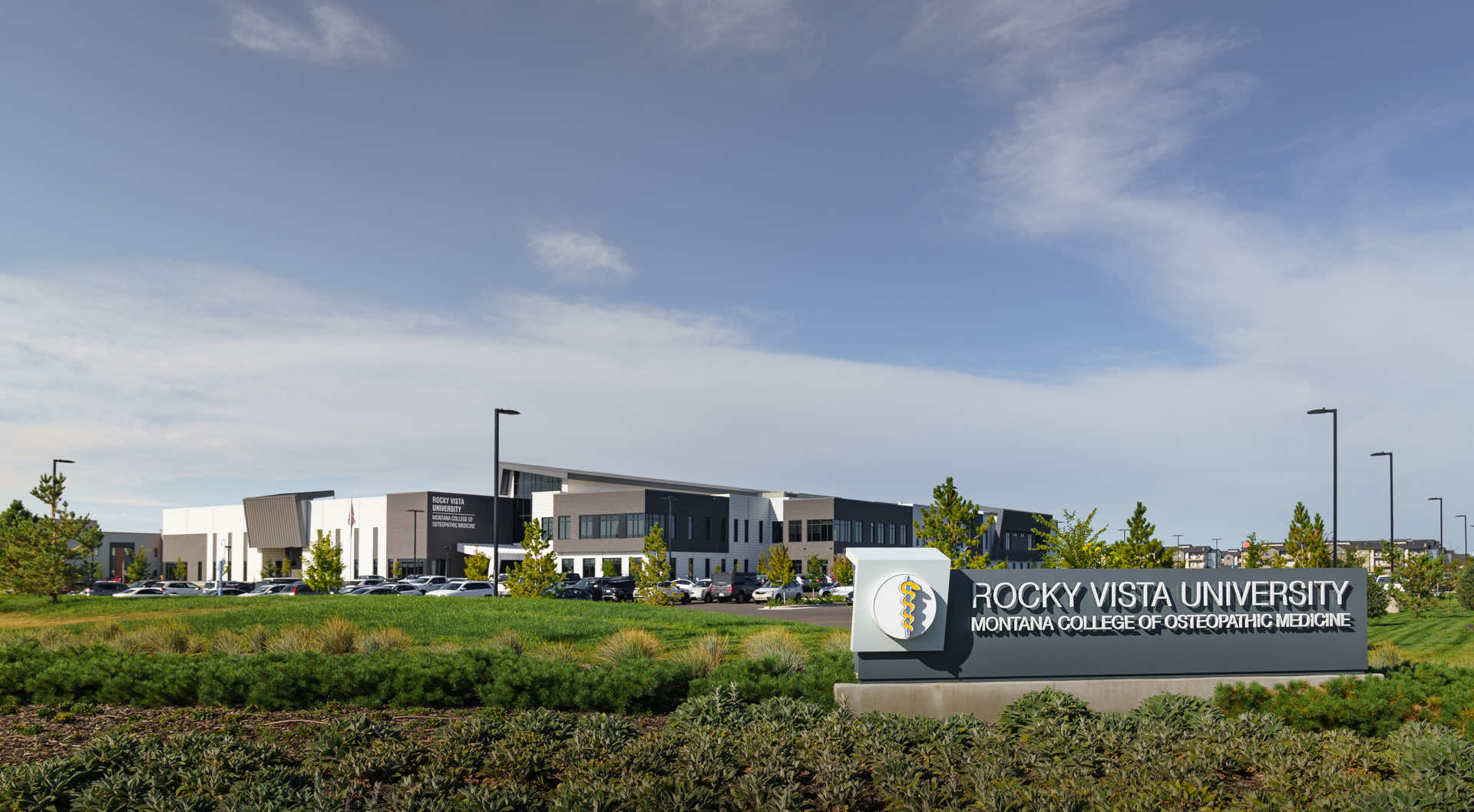
Study in Montana
Montana Campus
Billings, sitting along the Yellowstone River and the famous Rimrocks, is known as Montana’s Trailhead because it serves as the border between western Montana’s mountains and Eastern Montana’s plains and badlands. Billings is an urban city offering modern amenities, exceptional views, outdoor recreation, and award-winning cuisine. Billings is the medical hub for two thirds of Montana and portions of bordering states. Although Billings is the largest city in Montana, it boasts small-town hospitality! Where you can explore recreation, dining, shopping, and events happening in Billings.
Learn MoreDVM Building Renderings
Contact Us
Colorado Campus
8401 S. Chambers Road
Englewood, CO 80112
303-373-2008
Utah Campus
255 E. Center Street
Ivins, UT 84738
435-222-1236
Montana Campus
4130 Rocky Vista Way
Billings, MT 59106
406-901-2700