

Student Testimonial: Olivia Hajdys Serves a Greater Purpose as an RVU Military Medicine Student
RVUCOM Class of 2029
Utah campus
Where is your hometown? Chicago, Illinois and Phoenix, Arizona
Undergraduate studies: Biochemistry and cellular biology with minors in Spanish and military science and leadership
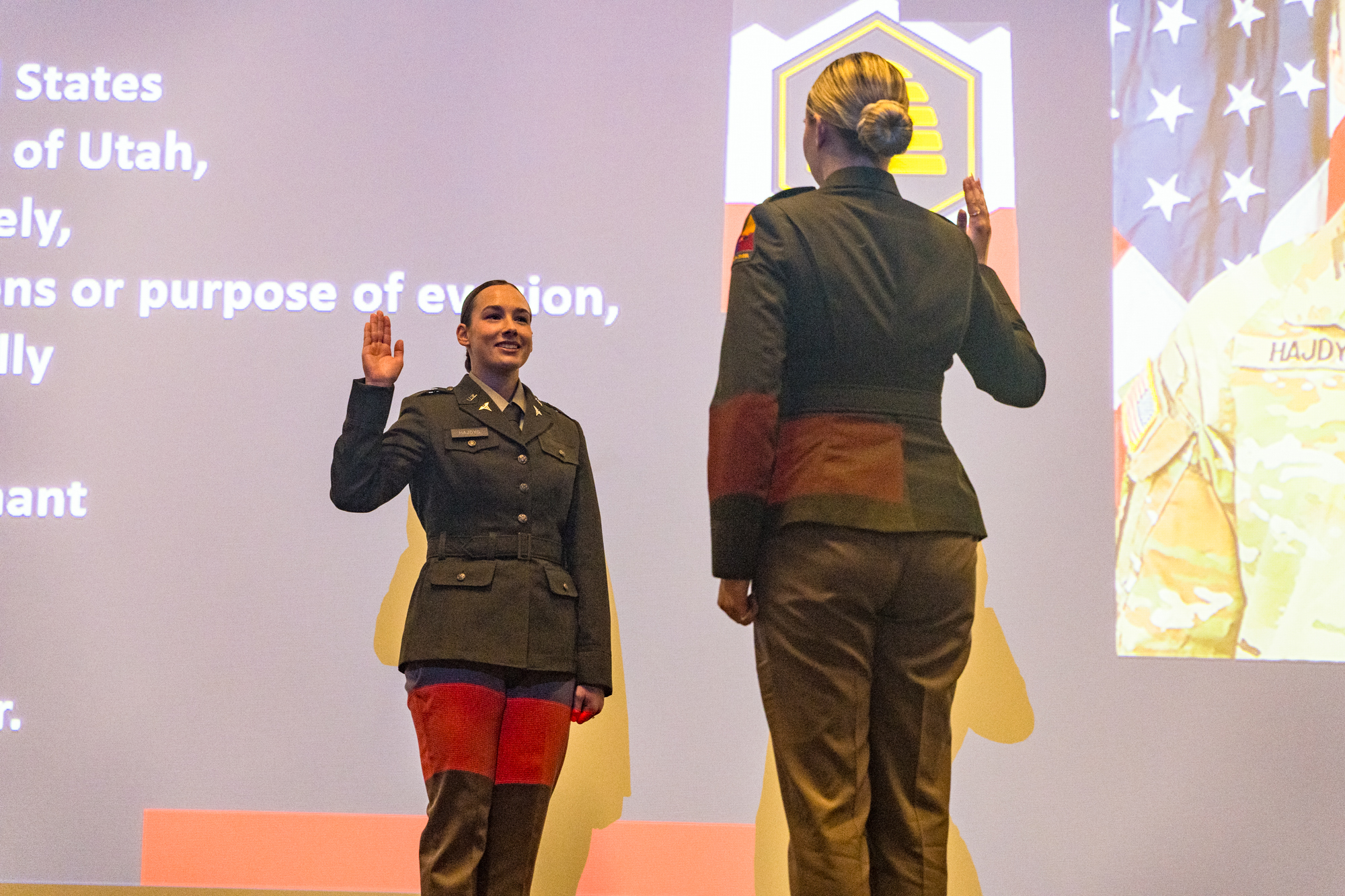
Olivia Hajdys enlisted in the U.S. military to serve a greater purpose. The Rocky Vista University College of Osteopathic Medicine Utah (RVUCOM-UT) second-year student participated in the Reserve Officers’ Training Corps (ROTC) while pursuing her undergraduate education, later commissioning as a second lieutenant officer in the Utah Army National Guard. A member of the RVU Military Medicine Program, Hajdys is preparing to serve at least six years in the Guard once she finishes residency with plans to specialize in endocrinology.
In honor of Veteran’s Day, we asked Hajdys to explain her “why” — her reasoning for choosing military medicine, the impact she’d like to have as a physician, and the type of physician she’d like to be.
Why did you enlist in the military?
I chose to enter the military because I wanted to serve a greater purpose. Obviously, choosing medicine is also serving a greater purpose because we are devoting our lives to improving others’ lives, but the military seemed to fit my calling even more.
My parents are both immigrants from Poland who could not afford to go to college because they were busy trying to survive and ensuring that my brother and I could have a better life. They chased the “American dream,” and I think that they would say they achieved the dream and more.
That being said, my family did not come from money, and the idea of debt was intimidating, which is how I found ROTC. I loved the culture and everyone’s mindset because they were there to better themselves, serve alongside each other, and merit the rank that would soon be on their chest. I do not think there is a group of people more disciplined to be the best version of themselves than those in the military, and it’s because they know that their shortcomings could cost lives.
Being an officer and not just an enlisted servicemember means that you must assume responsibility for everything your people do and fail to do, so it is a heavy weight to bear. The “people” who look to officers for guidance are America’s sons and daughters who selflessly take the oath to defend our country. Officers must hold themselves to the highest standards, since they are the ones who may be putting people’s lives in danger for the sake of the mission.
Because of my ROTC training, I feel empowered and honored to be on the path to serve and help save lives on and off the battlefield, like many of my peers in the Military Medicine Program at RVU.
Why medicine?
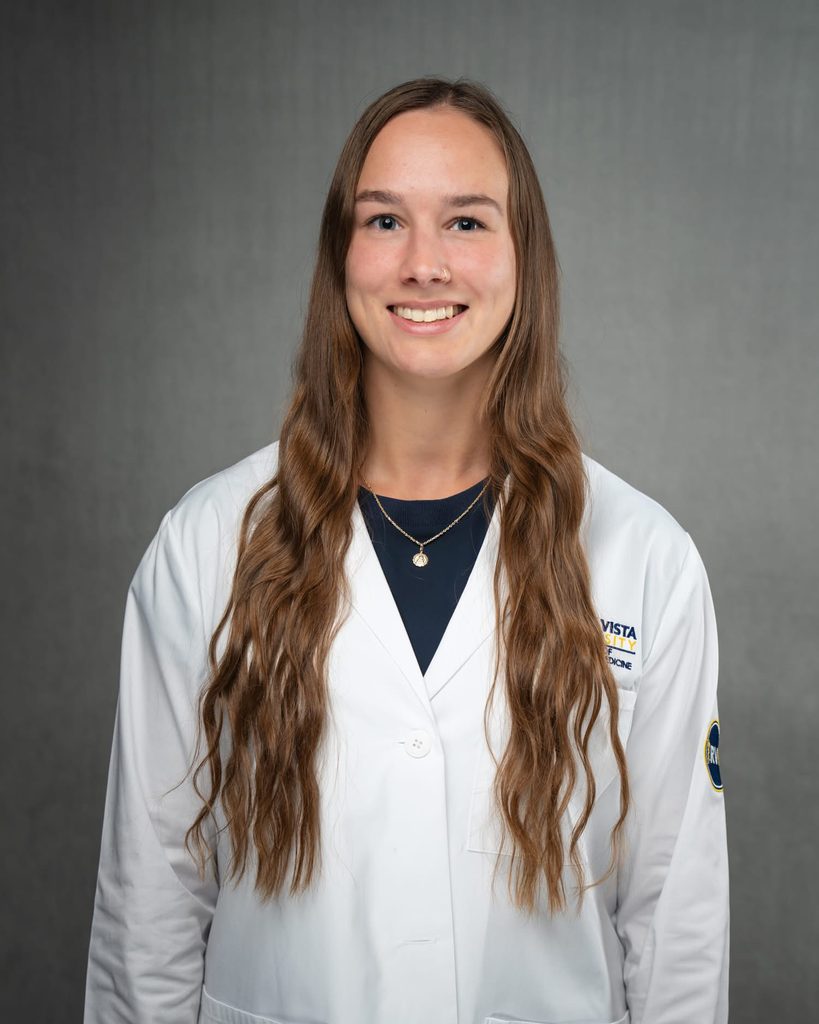
I think I have always known I wanted to be a doctor. I simply cannot see myself doing anything but medicine for the rest of my life. I will use my gifts and talents to help people, and it’ll be a career that will sustain me and my future family.
I have always been fascinated by the human body and how it can be simultaneously both fragile and strong. I also think all the bodily cellular and molecular mechanisms that keep us alive are so incredibly mind-boggling to think about, and they are necessary for our daily functions.
What type of physician do you want to be?
I see myself going into endocrinology. I really enjoy learning about how our body communicates in ways that we cannot readily see. I was diagnosed with hypothyroidism when I was six years old, which is uncommon.
A lot of times, endocrine-related issues go underdiagnosed because the processes affected are invisible to us, and many side effects are considered “normal” because of our cortisol-driven lives. I would love to be given the opportunity to validate patients and help them live their lives to the fullest.
I am a proponent of lifestyle and performance medicine, where patients can implement changes in their diet, sleep, stress management, and other lifestyle factors to improve cognitive and physical performance. Lifestyle medicine, along with other tools medicine has to offer, can significantly benefit patients struggling with endocrine-related issues.
Why did you choose to attend RVU?
I chose RVU because RVU students are competitive during residency matching. I also appreciated RVU’s support for military students. I would be lying if I said the location was not a factor. I love Colorado and the red rocks of Utah, so either campus would have been a great location.
What has been your favorite part about the RVU Military Medicine Program?
I really like learning from physicians in different military branches about their careers as military doctors. Their perspectives and life lessons remind me that I am in the right place for what I want to do in life. Training alongside military medicine students also gives me a sense of camaraderie and support.
How has the Military Medicine Program developed you as a military medicine physician?
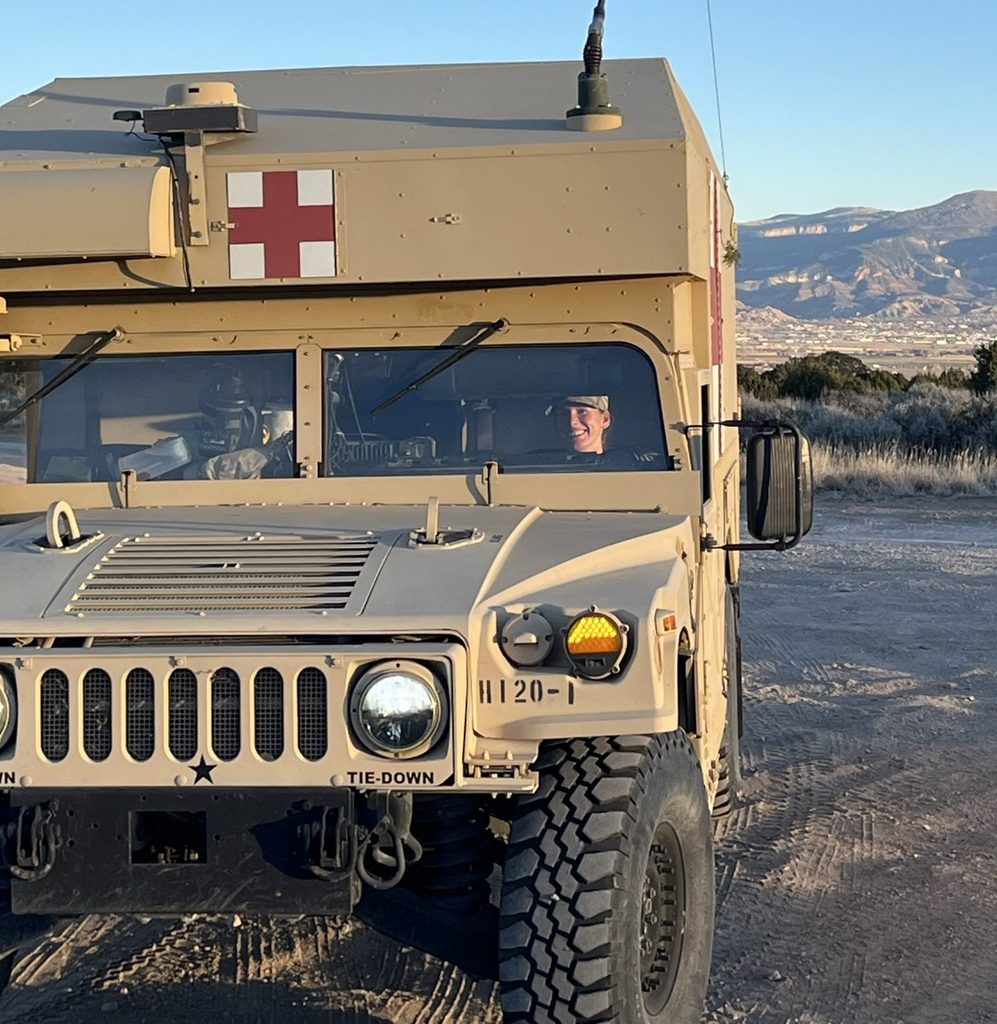
The RVU Military Medicine Program has helped me grow in my professionalism and navigate networking in the military. We hear from military doctors and emergency medicine healthcare professionals about what a good physician should be and what they wish they knew going into the profession. We become more comfortable presenting ourselves as military students by wearing our dress uniforms.
As someone who is enlisted in the U.S. military, why is Veteran’s Day important and what does it mean to you?
Veteran’s Day is important because it honors those who selflessly defend our nation. Volunteers understand and appreciate the freedoms allotted to us and decide to give back and assume the risk of potentially laying down their life for the greater good. It’s amazing to be in a country where people want to defend our nation and our freedoms, despite knowing how unpredictably that could change their futures.
I went into ROTC not knowing anyone who has thought about serving. Now, I have made life-long friends, and I have learned from mentors who have been in the military longer than I have been alive. I appreciate them for how much they have given up for our country and for how fearlessly they continue to serve.
Being a veteran doesn’t mean you had to go to combat or even deploy outside of our borders. It means you stepped up to fulfill a need to protect our nation and our allies without hesitation. That is no easy feat. A lot of times people will say that they could never see themselves in the military because it’s too intense or too scary, and it is both of those things and more. However, the people who find their calling in the military don’t usually regret the lessons they learned. They come out stronger and more grateful for all the freedoms everyone else may take for granted. Veteran’s Day celebrates those who willingly and freely defend the constitution of the United States against all enemies so that their friends, families, and future generations of Americans can live peacefully.