

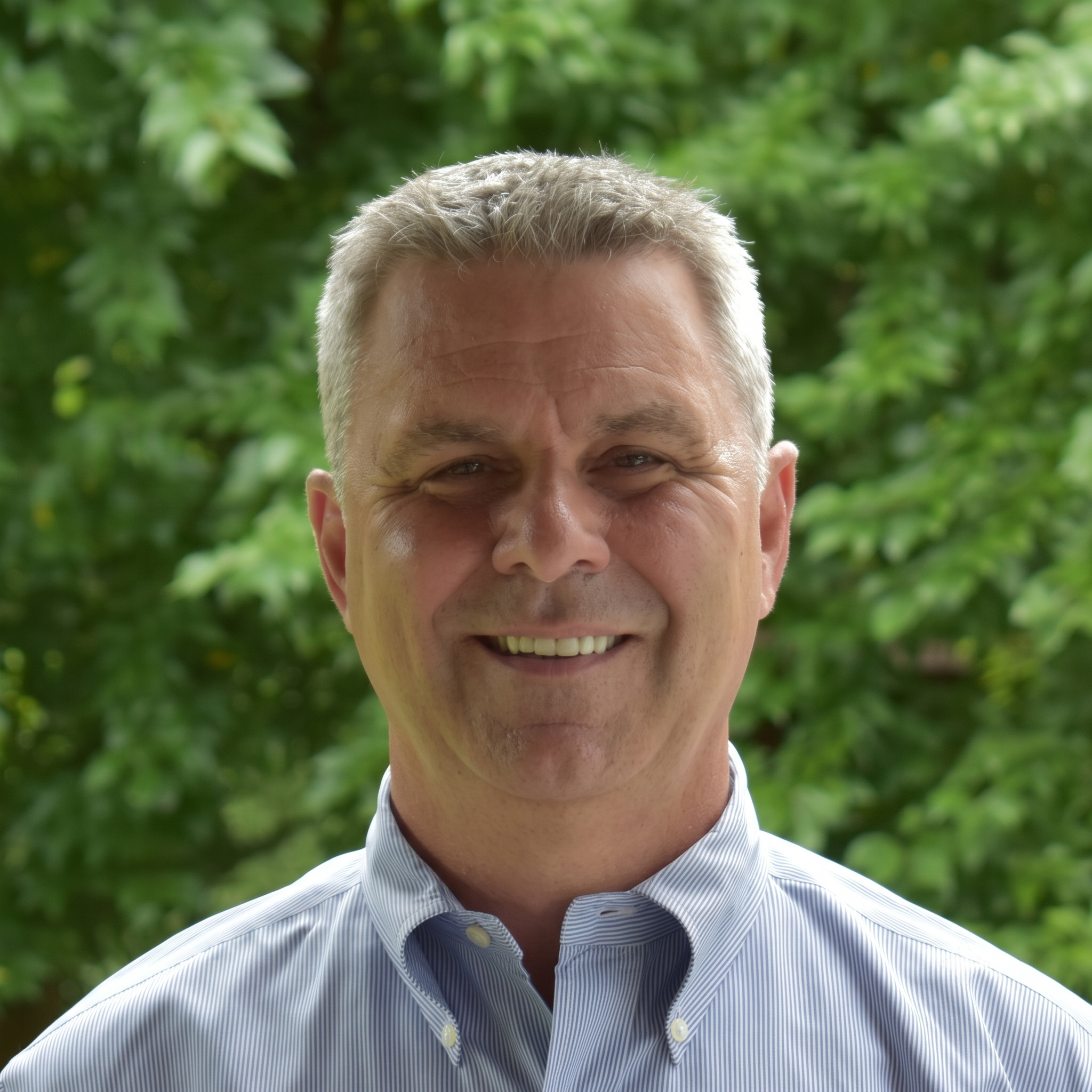
Dr. Davis grew up outside of Houston, TX, and from an early age has had an interest in exercise physiology, particularly in animals. He earned his veterinary degree in 1988 from Texas A&M University, and practiced in various areas throughout Texas for 4 years before moving to the Marion DuPont Scott Equine Medical Center in Virginia to become board certified in veterinary internal medicine. He earned a PhD in physiology from Johns Hopkins University in 1999, and was employed as a research physiologist and clinical expert in exercise physiology at Oklahoma State University from 1998-2026, where he was named to the John Oxley Endowed Chair in Equine Sports Medicine. Dr. Davis is a member of the inaugural class of board-certified specialists in the American College of Veterinary Sports Medicine and Rehabilitation in 2012 and recently completed a term as vice-president/president-
Dr. Davis’ research work spans all athletic species (horses, dogs, and humans) and includes the first studies to prospectively prove that exercise while breathing subfreezing air can produce inflammatory airway disease in horses. These studies have helped explain the higher prevalence of airway disease in horses competing during winter months, and may also help explain the tendency for respiratory viral diseases to occur during colder weather. He has also led the investigative team that identified a practical and effective strategy for preventing exercise-induced gastric ulcers in exercising dogs – a body of work that eliminated the most common cause of death in racing Alaskan sled dogs. Dr. Davis’s current work centers on exercise metabolism, with a focus on mitochondrial function in the face of high temperatures and low pH, demonstrating that hyperthermia is a more potent cause of exercise fatigue than the lactic acidosis that is more commonly cited (meaning that keeping the athlete cool is more important than buffering the lactic acid for improving performance). Dr. Davis has been recognized as the Sigma Xi Young Investigator at OSU in 2004 and the Oscar Schalm Endowed Lecturer at the University of California-Davis in 2005, and twice has been awarded the Pfizer/Zoetis Award for Research Excellence in 2005 and 2016, and the Regents Distinguished Research Award from Oklahoma State University in 2008 and 2024. He received the first ACVIM Hero in Medicine award in 2009 for his work benefiting animal athletes.