

Bookmark this page

You don't have any bookmarks

Press the button below to add the current page to your bookmarks.

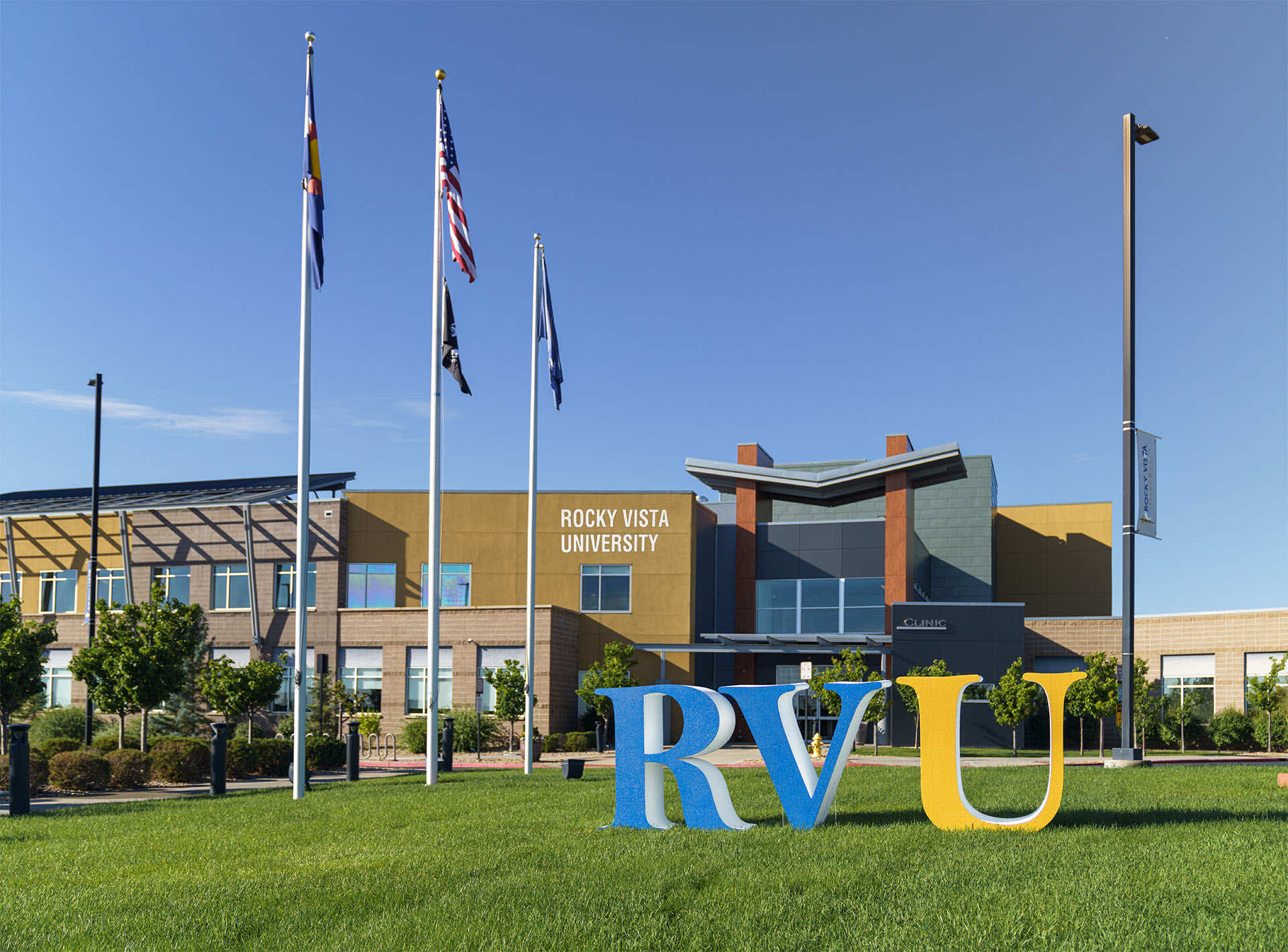
Exterior of the RVU Colorado campus
Master of Physician Assistant Studies

Current Students

Message from the Program Director

Welcome to the Physician Assistant Program at Rocky Vista University’s beautiful Colorado campus! The PA program is housed within a dynamic institution whose mission, vision, and core values support quality healthcare education, innovation, and excellence.

I invite you to explore our website to learn more about our program and its unique curriculum. We offer a visionary curricular design that provides a student-centric approach to learning through its variety of teaching strategies, frequent formative feedback, and an assessment for learning model. Expectations of learners are clearly outlined in advance, and student progression toward achieving competence is supported by highly experienced faculty and staff.

You are about to embark upon both a rewarding and challenging journey. You will have the honor and responsibility to serve and care for others with compassion and as a collaborative member of a primary care team. We look forward to supporting your development along the path to joining one of the fastest growing professions in the country and are pleased you chose the RVU PA Program.

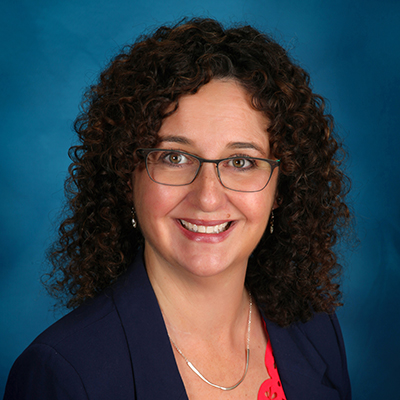
Cathy Ruff, MS, PA-C
Chair and Program Director
Physician Assistant Program

MPAS Program Curriculum

The MPAS curriculum is adapted from a competency-based system that focuses on graduate outcomes following core clinical tasks grounded in patient safety. Clinical tasks are known as Entrustable Professional Activities (EPAs), and each is associated with certain professional competencies – the knowledge, skills, and behaviors necessary to complete each task. Competencies are completed in a sequence that supports the progression from novice to competent physician assistant, and clinical teaching emphasizes learning through experience and application, not just knowledge acquisition. 

The program is a total of 122 credit hours and is divided into two phases. For two semesters of the Didactic Phase, learners progress from foundational concepts to clinically oriented content. The Clinical Phase is five semesters dedicated to clinical training that advances students to the level of “competent” for all core EPAs. This is accomplished during supervised clinical practice experiences (SCPEs) and through delivery of advanced clinical topics.

Upon successful completion of the program, the student will be prepared to enter the physician assistant profession, be eligible to obtain national certification, be eligible to gain state licensure and provide clinically competent and compassionate care as part of a collaborative patient-centered team.

Program Entrustable Professional Activities and Competencies

Entrustable Professional Activities
Clinical tasks all graduates are expected to perform, regardless of discipline.

EPA 1Gather a History and Perform a PE
EPA 2Prioritize a Differential Diagnosis Following a Clinical Encounter
EPA 3Recommend and Interpret Common Diagnostic and Screening Tests
EPA 4Develop and Implement Patient Orders and Management Plans
EPA 5Document Clinical Encounters in the Patient Record
EPA 6Provide an Oral Presentation of a Clinical Encounter
EPA 7Formulate Clinical Questions and Retrieve Evidence to Advance Patient Care
EPA 8Give or Receive a Patient Handover to Transition Care Responsibility
EPA 9Collaborate as a Member of an Interprofessional Team
EPA 10Recognize a Patient Requiring Urgent or Emergent Care and Initiate Evaluation and Management
EPA 11Obtain Informed Consent for Tests and/or Procedures
EPA 12Perform General Procedures
EPA 13Identify System Failures and Contribute to a Culture of Safety and Improvement

RVU PA Program’s Integrated Clinical Competencies for the PA© Patient Care (PC)
Provide patient-centered care that is compassionate, appropriate, and effective for the treatment of health problems and the promotion of health.

PC 1 Perform basic medical procedures required for patient care with assistance or direct supervision.
PC 2Gather essential and accurate information about patients and their conditions through history taking, physical examination and review of the medical record.
PC – 2 Sub-competencies:PC- 2.1 Demonstrate the ability to gather essential and accurate information about the patient and his/her condition through history-taking.
PC- 2.2 Demonstrate the ability to gather essential and accurate information about the patient and his/her condition through physical examination
PC- 2.3 Demonstrate the ability to gather essential and accurate information about the patient and his/her condition through a review of the medical record.
PC 3 Develop an appropriate patient assessment including diagnosis, differential diagnosis, and medical decision-making.
PC 4Organize and prioritize responsibilities to provide care that is safe, effective, and efficient.
PC 5Select, justify, and interpret clinical tests and imaging.
PC 6Develop and carry out patient management plans.
PC 7Counsel and educate patients and their families.
PC 8Provide appropriate referral of patients including ensuring continuity of care.
PC 9Provide preventive health care services to patients, families, and communities.

Medical Knowledge or “Knowledge for Practice” (MK)
Demonstrate knowledge of established and evolving biomedical, clinical, epidemiological, and social-behavioral sciences, as well as the application of this knowledge to patient care.

MK 1Demonstrate an investigatory and analytic approach to clinical situations.
MK 2Apply principles of basic science to patient care.
MK 3Apply principles of clinical science to patient care.
MK 4Apply principles of epidemiology to patients and populations.
MK 5Apply cultural and behavioral principles to patient care.

Practice-Based Learning & Improvement (PBL)
Demonstrate the ability to investigate and evaluate one’s care of patients, to appraise and assimilate scientific evidence, and to continuously improve patient care based on constant self-evaluation and life-long learning.

PBL 1Identify strengths, deficiencies and limits in one’s knowledge, skills, and attitudes.
PBL 2Set learning and improvement goals.
PBL 3Identify and perform learning activities that address one’s learning and improvement goals.
PBL 4Systematically analyze practice using quality improvement methods and identify solutions with the goal of practice improvement.
PBL 5Incorporate feedback into daily practice.
PBL 6Locate, appraise, and assimilate evidence from scientific studies related to patients’ health problems.
PBL 7Continually identify, analyze, and implement new knowledge, guidelines, standards, technologies, products, or services that have been demonstrated to improve outcomes.

Interpersonal & Communication Skills (ICS)
Demonstrate interpersonal and communication skills that result in the effective exchange of information and collaboration with patients, their families, and health professionals.

ICS 1Communicate effectively with patients, families, and the public, from various socioeconomic and cultural backgrounds.
ICS 2Communicate effectively with health care professionals as part of a health care team.
ICS 3Maintain clear, accurate, timely and legible medical records.
ICS 4Demonstrate sensitivity, honesty, and compassion in difficult conversations.
ICS 5Demonstrate appropriate responses to human emotions.

Professionalism (PRO)
Demonstrate a commitment to carrying out professional responsibilities and an adherence to ethical principles.

PRO 1Demonstrate behaviors that convey compassion, respect, integrity, and empathy for others.
PRO 2Demonstrate responsiveness to patient needs that supersedes self-interest.
PRO 3Demonstrate respect for patient privacy.
PRO 4Demonstrate respect for patient autonomy.
PRO 5Demonstrate accountability to patients, society, and the profession.
PRO 6Demonstrate sensitivity and openness to a diverse patient population.
PRO 7Demonstrate a commitment to ethical principles.
PRO 8Provide constructive feedback and evaluation.
PRO 9Demonstrate basic professional responsibility.

Systems-Based Practice (SBP)
Demonstrate an awareness of, and responsiveness to, the larger context and system of health care, as well as the ability to call effectively on other resources in the system to provide optimal health care.

SBP 1Work effectively in various health care delivery settings and systems to coordinate patient care.
SBP 2Incorporate considerations of cost awareness and risk-benefit analysis in patient and/or population-based care.
SBP 3Advocate for quality patient care and optimal patient care systems.
SBP 4Participate in identifying system errors and implementing potential systems solutions.

Interprofessional Collaboration (IPC)
Demonstrate the ability to engage in an interprofessional team in a manner that optimizes safe, effective patient and population centered care.

IPC 1Collaborate with other health professionals to promote a climate of mutual respect, and trust.
IPC 2Recognize the roles of various members of the interprofessional healthcare team and the scope of their practice.
IPC 3Participate effectively in different team roles to provide population-based and patient-centered care.

Personal & Professional Development (PPD)
Demonstrate the qualities required to sustain lifelong personal and professional growth.

PPD 1Demonstrate self-awareness and ability to maintain personal well-being.
PPD 2Manage conflict between personal and professional responsibilities.
PPD 3Practice flexibility and maturity in adjusting to change.
PPD 4Demonstrates trustworthiness in providing patient care that ensures colleagues feel secure.
PPD 5Demonstrates self confidence that puts patients, families, and members of the health care team at ease.
PPD 6Recognize and utilize resources in dealing with the ambiguity of clinical care.

PAS 5001/5002: Interprofessional Education Seminar I, II (2 credits)

This two-semester course introduces the fundamental principles of interprofessional education including roles, responsibilities, and contributions of individual team members, communication skills that ensure smooth transition of care to other team members, and the impact of teams on population health and quality of care. Learners will interact with students from the Doctor of Osteopathic Medicine program, as well as other health professions students from neighboring institutions. (EPAs 8 and 9)

PAS 5111/5112: Foundations: Normal Human Development I, II (3 credits)

This two-semester course introduces the fundamental principles of normal physical, social, and psychological development and function across the lifespan. (EPAs 1, 3, 4, 5, 6)

PAS 5113/5114: Foundations: Molecular and Cellular Concepts I, II (9 credits)

This two-semester course introduces the fundamental principles of biochemistry, cell biology, microbiology, genetics, physiology, and pharmacology in order to understand the pathophysiology of illness and disease and the rationale for therapeutic intervention.

PAS 5115/5116: Foundations: Anatomy I, II (8 credits)

This two-semester course introduces the fundamental principles of human anatomy, allowing the learner to correlate structure, function, and the clinical assessment of pathology. 

PAS 5131/5132: Clinical Medicine: Professional Seminar I, II (5 credits)

This three-semester course introduces the learner to issues related to professional practice by exploring both micro and macro approaches to healthcare and its delivery. The first two semesters focus on the role of the PA and the PA profession, communication skills, cultural competency, biomedical ethics, informed consent and provider wellness. The third semester course, held during the clinical phase of the curriculum, addresses issues related to professional practice, specifically in preparation for the workforce (mock interview sessions, CV review, contract negotiation, and the process of applying for licensure, and privileges). (EPAs 11 and 13)

PAS 5133/5134: Clinical Medicine: Illness and Disease I, II (10 credits)

This two-semester course introduces the learner to clinical medicine topics and includes presenting signs and symptoms, pathophysiology, appropriate diagnostic techniques, and management options, including prevention. (EPAs 3, 4, and 10)

PAS 5135/5136: Clinical Medicine: Evidence-Based Practice I, II (4 credits)

This two-semester core course introduces the learner to principles of evidence-based medicine, including reviewing and evaluating the medical literature, formulating research questions, and designing a capstone project. (EPAs 6 and 7)

PAS 5137/5138: Clinical Medicine: Skills and Assessment I, II (9 credits)

This two-semester course introduces the fundamental principles of clinical practice including history-taking, performing physical examinations, ordering and interpreting diagnostic and screening tests, documentation using the SOAP format, communicating concise oral presentation of clinical encounters, and performing basic procedures. (EPAs 1, 3, 5, 6, and 12)

PAS 5139/5140: Clinical Medicine: Reasoning and Application I, II (6 credits)

This two-semester course introduces the fundamental principles of clinical reasoning and decision making through developing clinical hypothesis and differential diagnosis. Students will utilize a problem-based approach to examine and solve clinical cases presented as patient scenarios. (EPAs 2, 4, 7, and 10)

PAS 5150: Introduction to Supervised Clinical Practice Experience (1 credit)

This core course serves as orientation to supervised clinical practice experience (SCPEs). The learner will gain an understanding of the expectations associated with participating in clinical experiences. This includes a review of the EPAs, types of clinical presentations, skills and procedures learners will likely participate in, and the clinical assessment rubrics and assessment schedule. Additionally, workshops to learn the clinical tracking (patient logging) system, aseptic technique, and advanced cardiac life support (ACLS) will be held. Learners will complete requirements to enter supervised clinical practice (HIPAA, Blood Borne Pathogens), if not already completed. (EPAs 10. 11, 12)

PAS 5251/5252/5253/5254: Clinical Seminar I, II, III, IV (4 credits)

This four-semester course is primarily delivered via a case-based format and integrates advanced level content in focused history taking, focused physical examination, development of diagnostic reasoning, pharmacotherapeutics and therapeutic/diagnostic procedures. Learners will also revisit didactic topics such as evidence-based practice, effective patient communication, ethical decision making, and professionalism. These courses signal the formal transition to practice, incorporating topics such as the business of medicine, access of resources for patients, systems-based practice, and advanced training (e.g. MOUD training). (EPAs 1, 2, 3, 4, 6, 10, 11, 13)

PAS 5261/5262/5263/5264/5265 Supervised Clinical Practice I, II, III, IV, V (50 credits)

The learner will participate in supervised clinical practice experiences (SCPEs) across a variety of settings including outpatient, in-patient, emergency department, and operating room. The learner will be exposed to patients across the lifespan and provide preventive, emergent, acute, and chronic care to diverse populations requiring a wide range of healthcare. Learners will be required to complete clinical rotation experiences in the following disciplines or settings: Family Medicine, Internal Medicine, Pediatrics, General Surgery, Emergency Department, Behavioral Health and Women’s Health.

Learners will work under the supervision of a Program-determined preceptor or their designee(s). The learner should prioritize gaining knowledge about evaluation and management of common conditions encountered within each clinical setting or discipline. The instructional knowledge objectives should guide the learner’s preparation for the End of Rotation (EOR) examinations. While not all diseases or conditions will be seen during clinical rotations, learners are responsible for studying each area outlined in the objectives, and in preparation for the EOR examinations. The instructional skills and attitude objectives should guide the learner regarding expected level of participation and professional conduct. (EPAs 1-13)

Note: The PA Program will acquire and coordinate all required and elective clinical rotation sites and preceptors for learners. Learners are not required to obtain their own sites or preceptors and should not solicit any sites or preceptors. Learners may, however, suggest sites or preceptors to the PA Program.  The Program, at its sole discretion, will review and evaluate learner-suggested sites and preceptors for educational suitability before approving them for use as clinical sites. All clinical sites and preceptors must meet Program expectations and policies.

PAS 5271 Research Proposal (2 credits)

This course is a four-week, self-directed period during which learners will collect and analyze data for their independent research project.  Upon completion of the course the learner will have finalized data collection, completed data analysis, and prepared a short communication paper. All research protocols must receive program and, if appropriate, Institutional Review Board (IRB) approval prior to implementation. 

The course is a pre-requisite for PAS 5272.  (EPA 7)

PAS 5272 Capstone (7 credits)

The learner will demonstrate readiness for entry to the profession through mastery of the competencies for the newly graduated physician assistant (the competencies within all thirteen EPAs). Demonstration activities include presentation of the required research project and completion of the program’s summative assessments. A 3-day PANCE preparatory course is included at the end of the course. (EPAs 1-13)

PAS 5233 Professional Seminar III (1 credit)

Please refer to PAS 5131/5132 within the didactic drop-down section for a description of the course.

PAS 5391: Independent Study (variable credit)

The independent study course is reserved for learners who may require remediation in didactic, clinical, or both types of coursework. Course goals and objectives are designed to meet the individual needs of the learner. The course must be recommended and approved by the Program before a learner can be enrolled.

This course may be used to ensure comprehensive retention from successfully completed coursework.  This course is “formative,” allowing for directed feedback through assessment for learning strategies designed to support retention and progression. Students will be enrolled in this course while formally remediating failed course(s) previously taken. Course credit hours are variable and based on a student’s individual learning needs.

Student Policies & Expectations

Program Enrollment and Progress (A3.14a)

Program Completion (A3.14b)

Remediation (A3.14c)

Deceleration (A3.14d)

Withdrawal (A3.14e)

Dismissal (A3.14f)

Student Grievances (A3.14g)

Student Appeals (A3.14h)

Student Employment (A3.14i)

Student Travel to Rotation Sites

MPAS Technical Standards

Technical Standards

This program is offered at the Colorado campus.

Rocky Vista University Master of Physician Assistant Studies (PA) Technical Standards Required for Admission, Matriculation, and Progression

Introduction

Rocky Vista University (RVU) maintains a strong institutional commitment to equal educational opportunities for qualified applicants and students with disabilities. We collaborate with students to develop innovative ways to ensure accessibility and strive to create a respectful, accountable culture through our confidential and specialized disability support. Technical standards are required to engage in the program fully. Students’ competency related to learning objectives throughout and pertaining to their level of education will be addressed by the individual program. These technical standards are not intended to deter any candidate for whom reasonable accommodation will allow the fulfillment of the complete curriculum. RVU encourages students with disabilities to disclose and seek accommodations.

Seeking Americans with Disabilities Act (ADA) Accommodations

Prospective and enrolled students seeking accommodations engage in an interactive and confidential process with a Disability Officer to determine reasonable accommodations to ensure equal access. This process is informed by RVU’s commitment to inclusive excellence and the knowledge that students with varied types of disability can become successful healthcare professionals. Students are encouraged to submit requests for reasonable accommodations as early as possible, given the time required to process those requests. Accommodations may not be applied retroactively and may not fundamentally alter the nature and objectives of the program. Additionally, accommodations are generally not provided while requests are being reviewed/processed. Therefore, early disclosure is strongly encouraged for those requesting disability-related adjustments or modifications.

If you are an applicant, accepted student, or enrolled student with a disability who may require accommodations, we encourage you to contact the Office of Disability Services via [email protected]. Additional information regarding disability resources at RVU is available on our website.

Fulfilling Technical Standards

RVU approaches technical standards and accommodations on a non-discriminatory basis that is consistent with our values of equity and inclusion. This approach is also in accordance with legal requirements as outlined in the Americans with Disabilities Act of 1990, the Americans with Disabilities Act, as amended, and the Rehabilitation Act of 1973, as amended. To matriculate and remain in an RVU educational program, the specific program’s technical standards (delineated below) must be met with or without reasonable accommodations (i.e., students who have and students who do not have accommodations must meet all applicable technical standards). Students must be able to participate in all required activities necessary to meet the educational objectives of each course and of the collective program. While enrolled at RVU, fulfilling the technical standards does not guarantee that an applicant, student, or graduate will be able to fulfill the technical requirements of any specific residency program, employment, future training programs, or other pursued opportunities.

PA Technical Standards

Immunizations

Students must satisfy all immunization requirements at the time of admission and throughout their time at RVU. Failure to do so will prevent matriculation or, in the case of an enrolled student, lead to dismissal. For specific information, please visit the Centers for Disease Control website, section on recommended vaccines for healthcare workers, as the PA Program adheres to CDC guidelines.

Observation

Students must be able to obtain, gather, and synthesize information in didactic and clinical settings. This includes but is not limited to, lectures, lecture supplemental materials, labs, physical exams, interviews, and raw diagnostic representations of physiologic data (e.g., radiology images, echocardiograms, ECGs, lab results, and microscopic images).

Communication

Students must be able to communicate with others to elicit information, detect mood and activity changes, and establish a therapeutic relationship. Students must exhibit interpersonal skills to communicate with others accurately. Students must be able to clearly, accurately, and sensitively record information obtained through communication. Students must demonstrate effective communication, participation, and collaboration with all healthcare and educational team members across various communication mediums (e.g., in-person, Zoom, written). English is the primary language of the RVU PA program curriculum, and students are expected to have a level of proficiency that eliminates language as an access barrier.

Motor

Due to the clinical nature of the RVU PA program, all students must be able to coordinate gross and fine muscular movements, balance, and equilibrium. They must also be able to complete a comprehensive physical examination, perform diagnostic maneuvers, provide general care to patients, and provide/direct emergency treatments.

Intellectual, Conceptual, Integrative, and Quantitative Abilities

Students must possess conceptual, integrative, and quantitative abilities, including measurement, calculation, reasoning, analysis, and synthesis. Problem-solving, the critical skill necessitated by all RVU programs, requires these intellectual abilities. In addition, students must be able to observe and comprehend three-dimensional relationships and understand the spatial relationship of structures. Students must be present, engage, and participate in all required activities necessary to achieve the activity objectives and outcomes. Students must be capable of extended periods of intense concentration and attention.

Behavior and Social Abilities

Students must have the emotional health required for full use of their intellectual abilities, the exercise of good insight and judgment, and the prompt completion of all responsibilities attendant to the demands of the educational program. Students must have the capacity to develop mature, sensitive, and effective relationships with members of the internal and external RVU community (e.g., peers, faculty, staff, patients, and healthcare professionals). Students must be able to function as part of a healthcare team and participate in a multi-disciplinary environment. Students must be able to accept constructive feedback, demonstrate accountability, and take responsibility for improving personal performance and team interactions. Students must be able to tolerate physically and mentally taxing workloads and to function effectively under stress. Students must adapt to changing environments, display flexibility and professionalism, and function and perform in the face of uncertainties inherent in the clinical nature of the RVU PA program.

Ethical and Legal Responsibilities

Students must maintain, demonstrate, and display high ethical and moral behaviors commensurate with being productive, compassionate, and professional members of society in all interactions (e.g., faculty, staff, peers, patients, and the public). Students are expected to have the cognitive ability to understand the legal and ethical aspects of the PA profession. They must recognize the limitations of their skills, authority, and authorization within the practice context.